
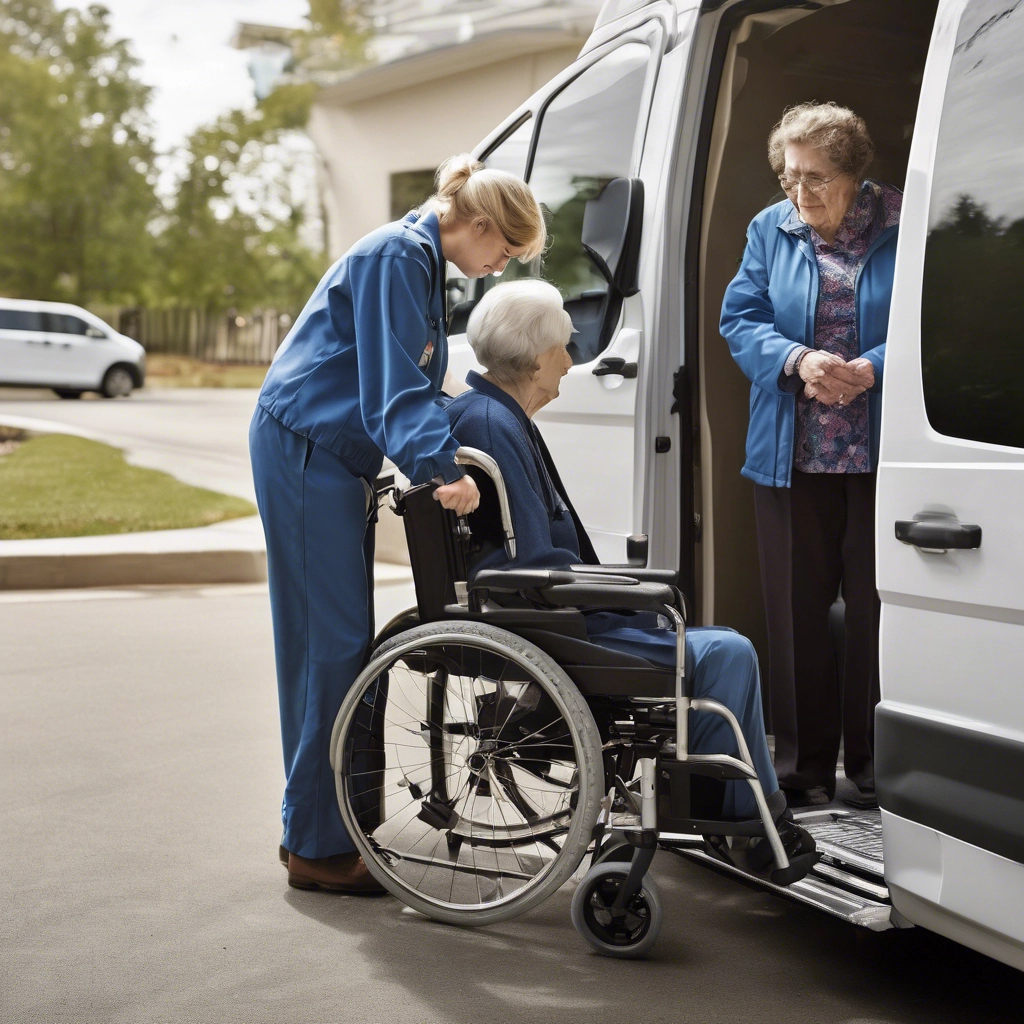
Healthcare facilities face a critical challenge every day: ensuring patients can access medical care when they need it most. For nursing homes and clinics, establishing dependable transportation partnerships isn’t just a convenience—it’s an essential component of quality patient care. When residents miss appointments due to transportation issues, their health outcomes suffer, and facilities face operational complications that could have been prevented.
The Foundation of Healthcare Transportation Partnership
Building a successful transportation partnership begins with understanding the unique needs of your facility and residents. Nursing homes require providers who can handle complex medical situations, accommodate mobility devices, and maintain consistent scheduling. Clinics need partners who understand the urgency of medical appointments and can provide reliable medical appointment transportation in Raleigh that patients can depend on.
The right transportation partner becomes an extension of your care team. They understand that transporting elderly or medically fragile patients requires more than just driving from point A to point B. It demands specialized training, appropriate equipment, and a genuine commitment to patient safety and comfort.
Essential Qualities in Transportation Partnership
When evaluating potential transportation services in Raleigh NC, healthcare administrators should prioritize several key factors. First and foremost, verify that providers maintain proper licensing, insurance, and safety certifications. These credentials aren’t just paperwork—they represent a commitment to professional standards and patient protection.
Experience with healthcare transportation makes an enormous difference. Providers familiar with wheelchair transportation in Raleigh NC understand the specific challenges of assisting patients with mobility limitations. They know how to properly secure wheelchairs, transfer patients safely, and navigate medical facilities efficiently. This expertise translates directly into better outcomes and fewer complications.
Reliability stands as perhaps the most critical quality. A transportation partner who consistently arrives on time, maintains their vehicles properly, and employs dependable drivers becomes invaluable. Late arrivals create cascading problems: missed appointments, rescheduling headaches, and frustrated patients and staff.
Technology and Communication Systems
Modern transportation partnerships leverage technology to improve coordination and accountability. Real-time tracking systems allow facility staff to monitor vehicle locations and estimated arrival times. Automated scheduling platforms reduce administrative burden while minimizing booking errors. These technological capabilities should integrate smoothly with your facility’s existing systems.
Communication protocols matter tremendously in healthcare transportation. Your partner should provide multiple contact methods and respond promptly to inquiries or concerns. Clear communication channels between drivers, dispatch, and facility staff ensure everyone stays informed about schedule changes, patient needs, or unexpected situations.
Specialized Services for Healthcare Settings
Nursing homes and clinics often require specialized transportation options beyond basic transport. Wheelchair transportation in Raleigh NC services must accommodate various wheelchair types, including power wheelchairs and specialized medical chairs. Vehicles should feature proper restraint systems, climate control, and adequate space for medical equipment that patients may need during transport.
Some residents require stretcher transportation for medical appointments. Your transportation partner should be equipped to handle these situations with appropriate vehicles and trained staff. Additionally, consider providers who offer ambulatory assistance for patients who don’t need wheelchairs but benefit from extra support.
Building Long-Term Relationships
Successful partnerships develop through consistent communication and mutual respect. Schedule regular meetings with your transportation provider to review service quality, address concerns, and identify improvement opportunities. Share feedback from staff, residents, and families, both positive and constructive. These conversations strengthen the relationship and ensure continuous service enhancement.
Establishing clear expectations from the beginning prevents misunderstandings. Document service level agreements that specify response times, cancellation policies, billing procedures, and quality standards. Having these details in writing protects both parties and provides reference points for resolving any disputes.
Financial Considerations and Value
While cost matters, the cheapest option rarely provides the best value in healthcare transportation. Consider the total cost of service, including the hidden expenses of unreliable transportation: rescheduled appointments, staff time spent resolving problems, and negative impacts on patient satisfaction scores.
Quality medical appointment transportation in Raleigh requires investment in proper vehicles, training, and operational systems. Providers who price services appropriately can maintain these standards consistently. Look for transparent pricing structures without hidden fees, and consider volume discounts for facilities with regular transportation needs.
Evaluating and Monitoring Performance
Implement systems to track transportation performance metrics. Monitor on-time arrival rates, patient satisfaction scores, incident reports, and communication responsiveness. Regular performance reviews help identify trends and address issues before they become significant problems.
Building reliable transport partnerships for nursing homes and clinics requires careful selection, clear communication, and ongoing collaboration. When healthcare facilities invest time in developing these relationships, they create transportation systems that enhance patient care, reduce operational stress, and contribute to better health outcomes. The right partnership transforms transportation from a logistical challenge into a seamless component of comprehensive patient care.
Related Resources:
